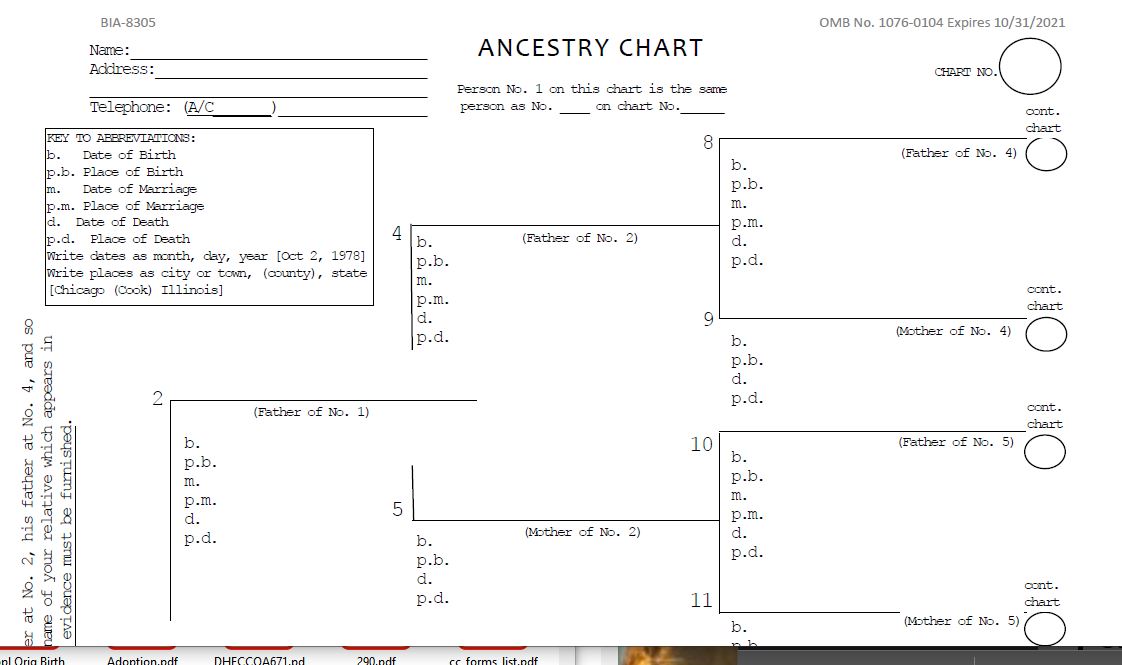
Genealogical research is time-consuming and tedious. Knowing where to start can sometimes be half the battle.
Find your tribe
Start with what you know
Before starting your search, gather as much information as possible about your adoption and biological family, such as your birth date, place, and the names of birth parents or siblings. These details can help narrow your search and identify useful sources of information.
Once you know your birth name and the names of your birth parents, begin building a family tree.
Collect information like birth, marriage, and death dates from public records, especially in the county or state where you were born.
Organize the information by creating a chart or diagram, starting with yourself and adding parents, grandparents, and beyond. Use lines to show the relationships between family members.
The National Indian Child Welfare Association suggests using names and dates to access online genealogical resources. The research aims to confirm two things:
(1) a direct link between the individual and a Native American ancestor, and
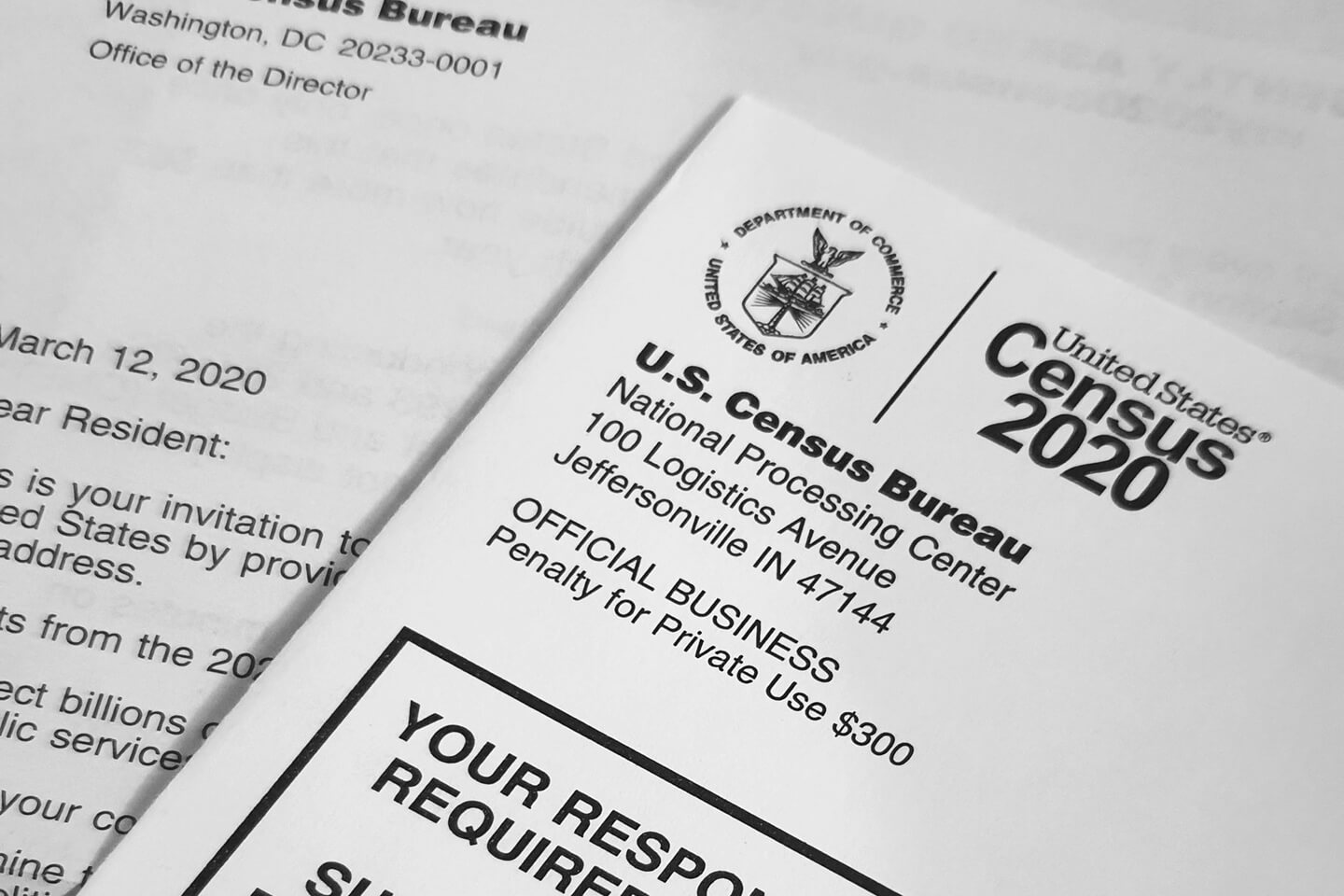
(2) that ancestor's membership in a specific tribe. A good starting point is the Indian Census Rolls from the late 19th to mid-20th century.
Several online resources can assist in building your family tree, such as Ancestry.com, FamilySearch.org, and MyHeritage.com, which provide access to historical records.
For Native American ancestry, AccessGenealogy.com offers free resources, including Indian census records like the Dawes Rolls, used for land allocation to Native Americans.
Free Family Tree Generator
This excel file can download for free compliments of vertex42.com.
Or you can follow this link vertex42-google-doc to download the file as a google doc.